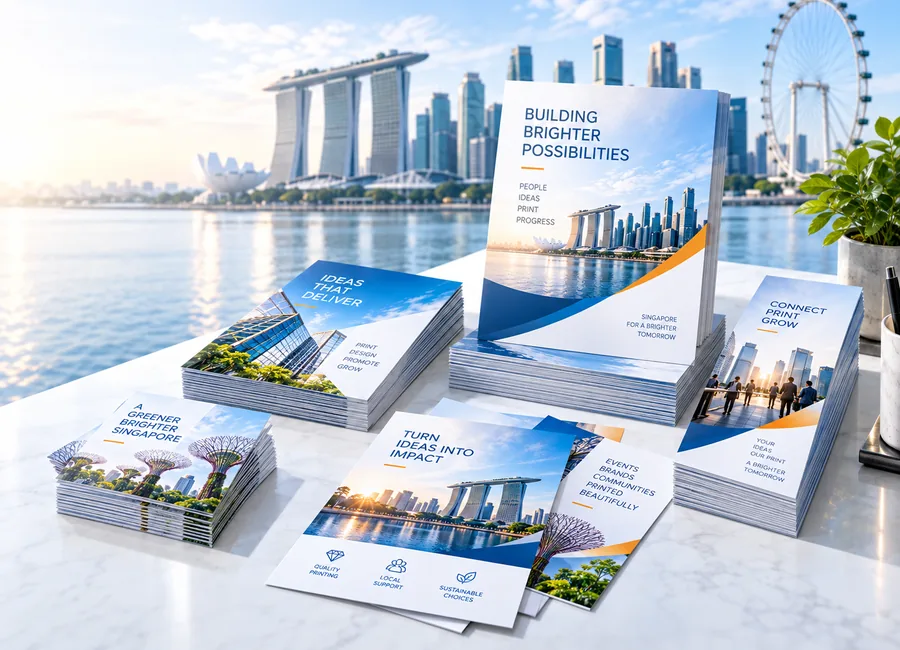
Paper weight changes both the feel and the cost of a flyer. There is no single “best” paper for every campaign: a large letterbox distribution campaign may prioritise economy, while a premium property launch or event handout may benefit from a heavier stock.
80gsm Woodfree
A practical lightweight option for mass distribution and information-led campaigns. It feels similar to standard office paper and is useful when quantity and cost matter more than a premium feel.
105gsm, 128gsm and 157gsm gloss
These coated stocks provide a smoother surface and progressively more substantial feel. 128gsm is a popular balance for promotional flyers. 157gsm feels stronger and can suit campaigns where presentation matters.
260gsm and 310gsm art card
These are much heavier stocks and are better treated as premium handouts, postcards, vouchers or cards rather than lightweight distribution flyers. They provide rigidity and a more substantial impression.
Consider your distribution method
For large-scale letterbox distribution, lighter paper can reduce total campaign cost. For handouts at a showroom, exhibition or property launch, a heavier stock may better support the brand image. The artwork design and finishing should be considered together with paper weight.
Frequently Asked Questions
Is 128gsm good for flyers?
Yes. 128gsm gloss is a popular middle-weight stock for general promotional flyers.
When should I use 260gsm or 310gsm?
Heavier art card is useful for premium handouts, postcards, vouchers and pieces that need more rigidity.